The Zero-Error Front Desk: AI-Powered 60-Second Check-In
The hospitality industry is on the verge of a big change. This change is made possible by AI check-in technology. It's making the guest experience better than ever before.
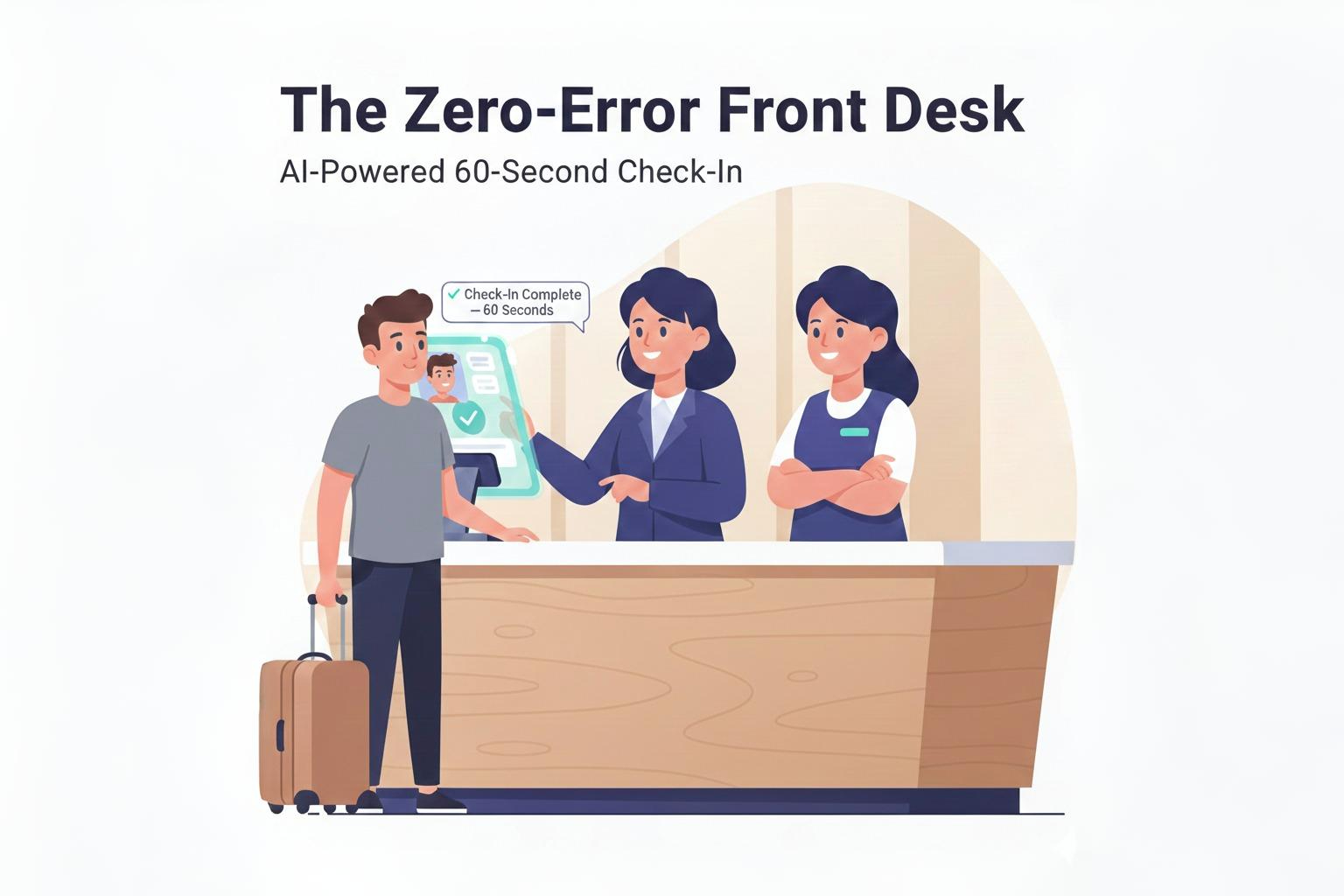
Now, imagine checking into a hotel in just seconds. You won't have to wait in line or talk to the front desk. This is happening in hotels that use hotel technology.
By using hotel self-check-in software, hotels can make check-in much faster. This makes guests happier and helps hotels work better.
AI is making the front desk better. It makes things more efficient and less likely to have mistakes. This makes guests happy and lets hotel staff give more personal service.
Key Takeaways
- •Digital check-in technology can reduce check-in times to under 60 seconds.
- •Zero-error front desks enhance the guest experience and operational efficiency.
- •Hotel technology adoption is key to staying competitive in the hospitality industry.
- •Streamlined check-in processes allow for more personalized guest services.
- •The future of hospitality is being shaped by innovative technologies.
The Current State of Hotel Check-In Processes in India
The hotel industry in India is changing fast. With more people traveling, hotels must make the check-in process smooth.
Common Pain Points for Guests
Guests often wait a long time and find the process slow. A survey showed that long wait times really upset people.
Operational Challenges for Hotels
Hotels face problems like not enough staff and old check-in methods. This causes delays. Using new technology can solve these issues.
Hotels can start fixing these problems. This will make both guests and staff happier and more efficient.
Understanding Hotel Self-Check-In Software: The AI Revolution
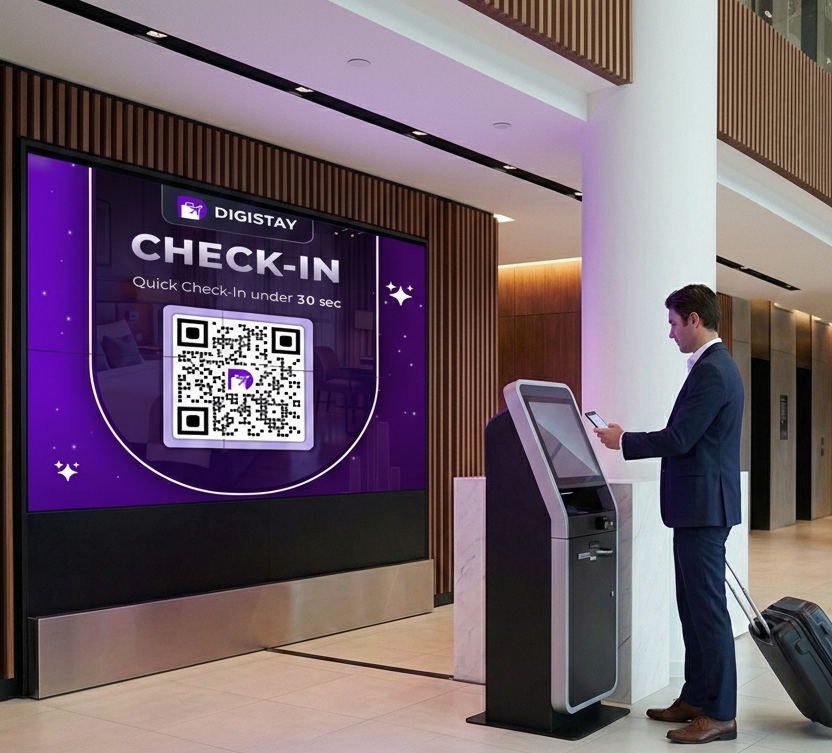
Digital check-in technology is changing the hotel industry. It makes checking in faster and more personal. Guests get a smooth experience from the start.
How Digital Check-In Works
The digital check-in uses smart algorithms to handle guest data. It makes the check-in process quick and personal. Guests can check in fast, without needing help.
Benefits of AI-Powered Check-In
AI check-in systems offer numerous benefits for both hotels and guests. These include:
The Business Case: ROI of Implementing Self-Check-In Solutions
Hotel self-check-in software is more than a guest convenience. It's a smart investment that brings big cost savings and boosts staff efficiency. By automating check-ins, hotels free up their front desk staff. This lets them do more important tasks.
Staff Efficiency and Cost Savings
Self-check-in solutions cut down on labor costs. Hotels need fewer staff at the front desk, saving money. Reports show a 30% drop in staffing needs during busy times.
This makes operations more efficient overall. It also saves money and lets hotels make their staff work for a better guest experience.
Guest Satisfaction Metrics and Revenue Impact
Self-check-in solutions also boost guest satisfaction. They make check-ins quick and smooth. This leads to happier guests and better reviews.
Happy guests are more likely to spend more. This increases hotel revenue.
In short, hotel self-check-in software is a smart choice. It improves staff work, saves money, and makes guests happier. This all adds up to a better ROI for hotels.
Still using manual check-ins?
Top Hotel Self-Check-In Software Solutions for the Indian Market
Hotel self-check-in software is changing how guests arrive at hotels in India. The hospitality industry is growing, and using technology to make check-in easier is key. We'll look at the top self-check-in software for hotels in India.
| Software | Best For | Key Strength | Primary Limitation |
|---|---|---|---|
| DigiStay Digital Check-In | Indian hotels seeking fast, compliant self check-in | AI-powered 60-second check-in with Indian KYC & Form-C support | Requires internet connectivity |
| Aiosell Check-In | Hotels focused on branded guest journeys | Customizable check-in experience | PMS integration can be complex |
| StayFlexi | Hotels needing an all-in-one solution | Self check-in + booking & guest management | Can feel complex for small teams |
| Stayntouch | Mid-to-large hotels & chains | Enterprise-grade features & scalability | Higher cost and learning curve |
| Cloudbeds | Boutique & mid-size hotels | All-in-one cloud PMS with check-in | Feature overload for some properties |
Security and Compliance: Protecting Guest Data in India
With the rise of digital check-ins, data security is more important than ever. Hotels must ensure that guest information is protected at all times. This involves complying with data protection regulations and implementing robust security measures.
Protecting Guest Information
Indian hotels are focusing more on keeping guest info safe. This is because digital check-ins are becoming common. Hotels need to protect guest data while following strict rules.
Digital KYC Verification Requirements
In India, hotels must check guests' identities before they can check in. AI helps hotels meet these rules by making digital KYC easy. Here are some important points:
Data Protection Regulations and Best Practices
Hotels in India must comply with data protection laws, such as the Data Protection Act. To keep guest data safe, hotels should:
Effective data protection enables hotels to comply with the law and foster guest trust. This can really help a hotel's reputation and profits.
Overcoming Guest Resistance to New Technology
It's key to beat guest resistance for self-check-in tech to work well. Hotels using digital tools need to understand and tackle guest worries.
Addressing Concerns Across Different Age Groups
Guests of all ages have different feelings about new tech. Younger travelers might love the quick and cool tech. But older guests might need more help and comfort. Hotels can help by giving clear steps and support in many ways, like apps, guides, and at the front desk.
For those not so tech-smart, making it easy to use is important. This means big buttons, simple words, and a straightforward process. Also, having staff ready to help can make guests feel better and more satisfied.
Effective Communication and Support Strategies
Good communication is key to winning over guests to self-check-in. Hotels should share the perks of self-check-in, like saving time and being more convenient. They can do this through emails, websites, and signs in the hotel.
Also, having a strong support team can really boost guest happiness. This means staff who know their stuff and can help in many languages. This helps guests who might not speak the local tongue.
Future Trends: What's Next for Hotel Check-In Technology
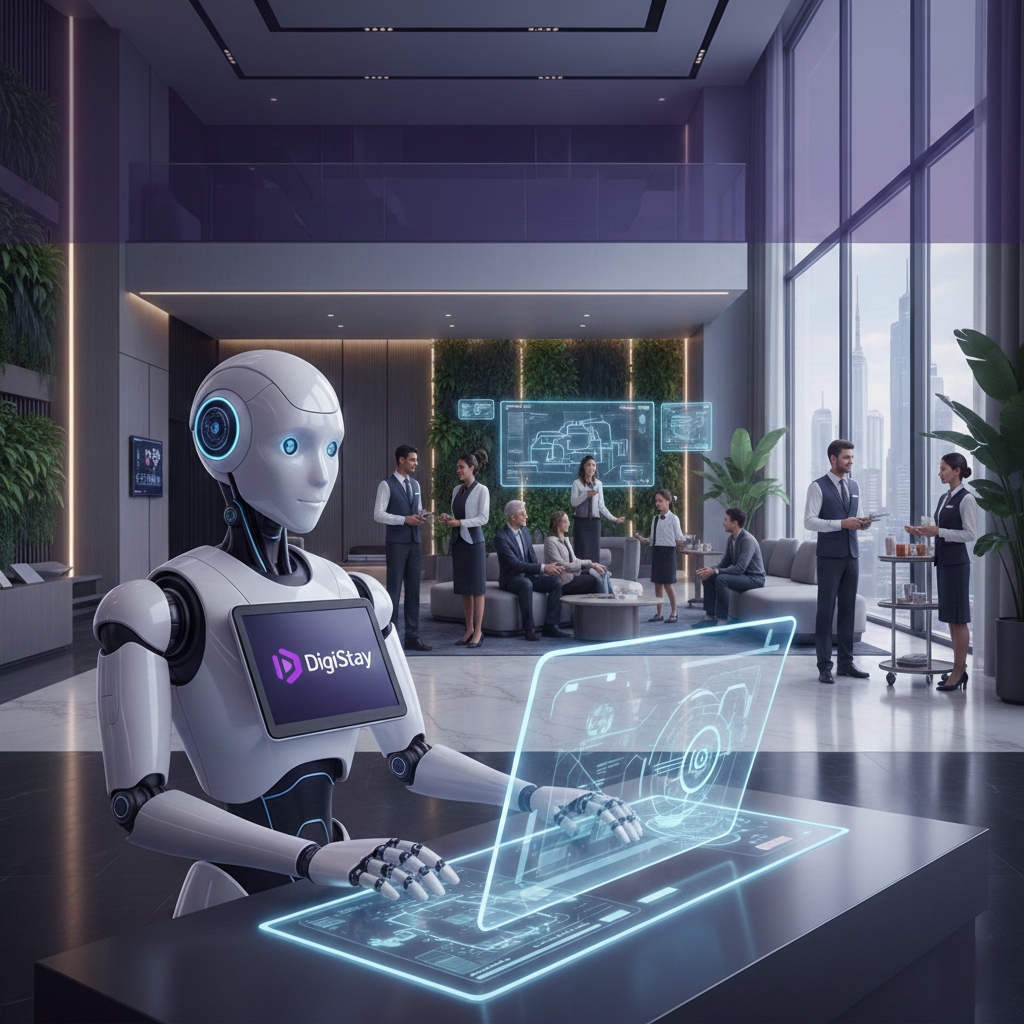
As technology continues to evolve, we can expect even more advanced features in hotel check-in systems. Facial recognition, voice commands, and personalized recommendations are just a few of the innovations on the horizon.
Biometric Authentication & Facial Recognition
Biometric technologies, such as facial recognition, are gaining traction in hotels by enabling seamless, contactless check-ins without keys or cards. Guests can be identified instantly upon arrival, reducing wait times and adding a personalized touch. Industry studies indicate that biometric check-ins can cut processing time by up to 50%, significantly improving guest satisfaction.
Blockchain & Decentralized Identity Management
Blockchain is set to transform how hotels manage guest data by offering secure, tamper-proof identity verification. With decentralized identity systems, guests can share verified information quickly while maintaining privacy. Though still in early adoption, blockchain-based check-in solutions are expected to grow as hotels prioritize data security and trust.
Choosing the Right Hotel Self-Check-In Software for Your Property
Selecting the best self-check-in software requires careful consideration of your property's specific needs.
1. Identify Your Requirements
Consider your hotel size, guest demographics, and existing tech stack. Do you need a standalone kiosk or a mobile-first solution?
2. Check Integration Capabilities
Ensure the software integrates seamlessly with your Property Management System (PMS) and door lock systems to automate key delivery.
3. Evaluate User Experience
The interface should be intuitive for both guests and staff. A complicated system will only increase frustration and check-in times.
4. Support and Scalability
Choose a provider that offers 24/7 support and can scale with your business as you grow or add more properties.
Conclusion: Embracing the Zero-Error Front Desk
India’s hospitality industry is rapidly evolving, and hotel self-check-in software is driving this change. Powered by AI, it enables check-ins in under 60 seconds, reduces errors, and delivers a smoother guest experience. Hotels that adopt this technology will operate more efficiently, cut costs, empower staff, and boost guest satisfaction, giving them a clear competitive edge as the industry moves toward a more guest-centric future.

About the Author
Content & Copywriting Professional
Vidushi is a content and copywriting professional specializing in SEO-driven websites, blogs, and social media content. She works across content strategy, structure, and optimization, ensuring ideas are not just well-written but effectively executed collaborating closely with designers and developers from concept to deployment.
“Good content communicates. Great content performs.”
Frequently Asked Questions
Hotel self-check-in software lets guests check in without the front desk. It uses AI to make the process quick and easy.
AI-powered check-in uses artificial intelligence to automate the process. Guests can check in through a kiosk or app. The AI checks their identity and completes the check-in.
Self-check-in software cuts down wait times and boosts efficiency. It also makes guests happier. Hotels save on labor costs and run more smoothly.
Yes, it's designed to be secure. It uses encryption and secure payment to protect guest data during check-in.
Yes, many self-check-in software solutions work with PMS systems. This helps hotels use their current systems while getting self-check-in benefits.
Look at your hotel's size, needs, budget, and guest types. Check the software's features, cost, and if it fits with your systems.
Self-check-in software can save a lot of money and improve service. The exact savings depend on your hotel's size and the software used.
Use clear signs and train staff to help guests. Make sure the self-check-in is easy for everyone to use.